In-store communications analytics for retail
Walk into any store and you'll witness thousands of micro-decisions an hour — a colleague flagging low stock, a manager calling in extra staff. Most are made on incomplete data or gut instinct, because the information isn't there or is far from the people who need it.
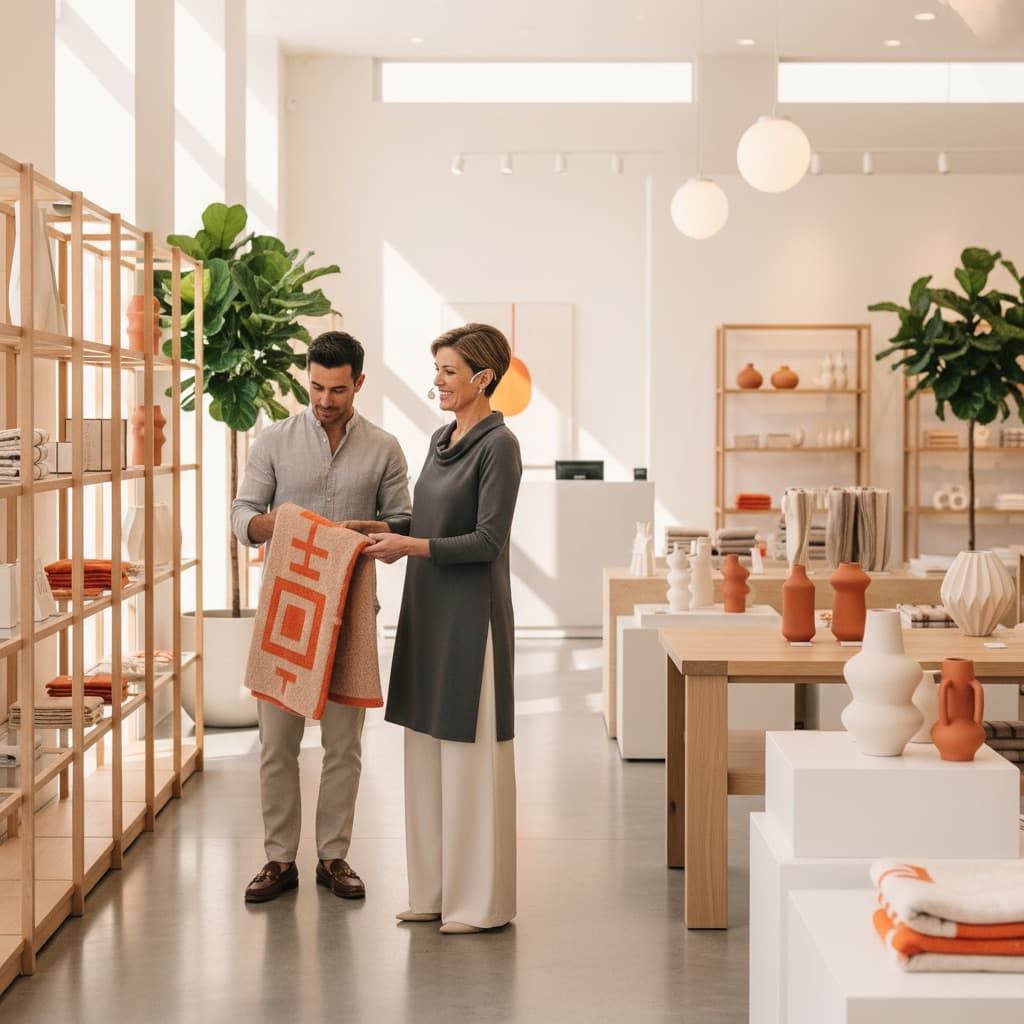
Retail's biggest untapped data source
The global retail analytics market is expected to reach $31 billion by 2032. Yet while online behaviour is tracked in detail — every click, scroll and abandoned basket — the physical store, still the largest retail channel, remains a blind spot for both customer and employee data.
The irony is that the store generates a constant stream of valuable signal: where customers ask for help, which aisles run short of staff, how quickly a request gets answered. The data exists in the conversations happening on the floor every minute; it simply isn't being captured.
From headsets to insight
An always-on broadcast headset channel keeps the whole floor connected, while per-employee and per-aisle analytics turn those conversations into data: talk time, response speed, and where help is needed most. Instead of a manager guessing where to deploy people, the floor tells them.
- Secure broadcast headset channel across the floor
- Per-employee and per-aisle analytics and accountability
- Real-time, searchable transcriptions of frontline activity
- Smart, routed notifications to the right colleague
- Response-time and coverage metrics by zone
Agentic AI on the frontline
A hands-free agentic AI assistant answers staff questions and takes actions — logging a broken-signage ticket, checking stock, raising a price query — in real time, all through the headset. Industry projections suggest agentic AI will resolve up to 80% of routine queries, freeing colleagues to focus on customers rather than hunting for answers.
Because the assistant is voice-first and hands-free, it fits the reality of the shop floor: a colleague mid-task can ask a question and keep working, without stopping to find a terminal or a manager.
Turning floor data into better decisions
The value compounds once the data accumulates. Coverage gaps by hour and aisle become a rota that matches demand. Recurring questions reveal where signage or training is failing. Response-time trends show which shifts and stores are running well and which need support.
This is the same analytical discipline that e-commerce has used for years, finally applied to the physical store. The difference is that the raw material — frontline conversation — was always there; it just needed a system to capture and structure it.
Accountability without surveillance
Done well, this is about visibility, not micromanagement. Aggregate metrics show where the floor needs help; searchable transcripts let managers coach from real moments rather than hearsay; and the broadcast channel makes the whole team faster and better coordinated.
The outcome is a store that runs on evidence — staffed where customers actually need help, answering faster, and learning from its own busiest hours instead of forgetting them.
Key takeaways
- Retail analytics will be worth ~$31bn by 2032; the store is the data blind spot.
- Headsets plus per-aisle analytics turn frontline activity into measurable data.
- Agentic AI can resolve up to 80% of routine in-store queries hands-free.
- Floor data drives better rotas, training and coverage — accountability, not surveillance.